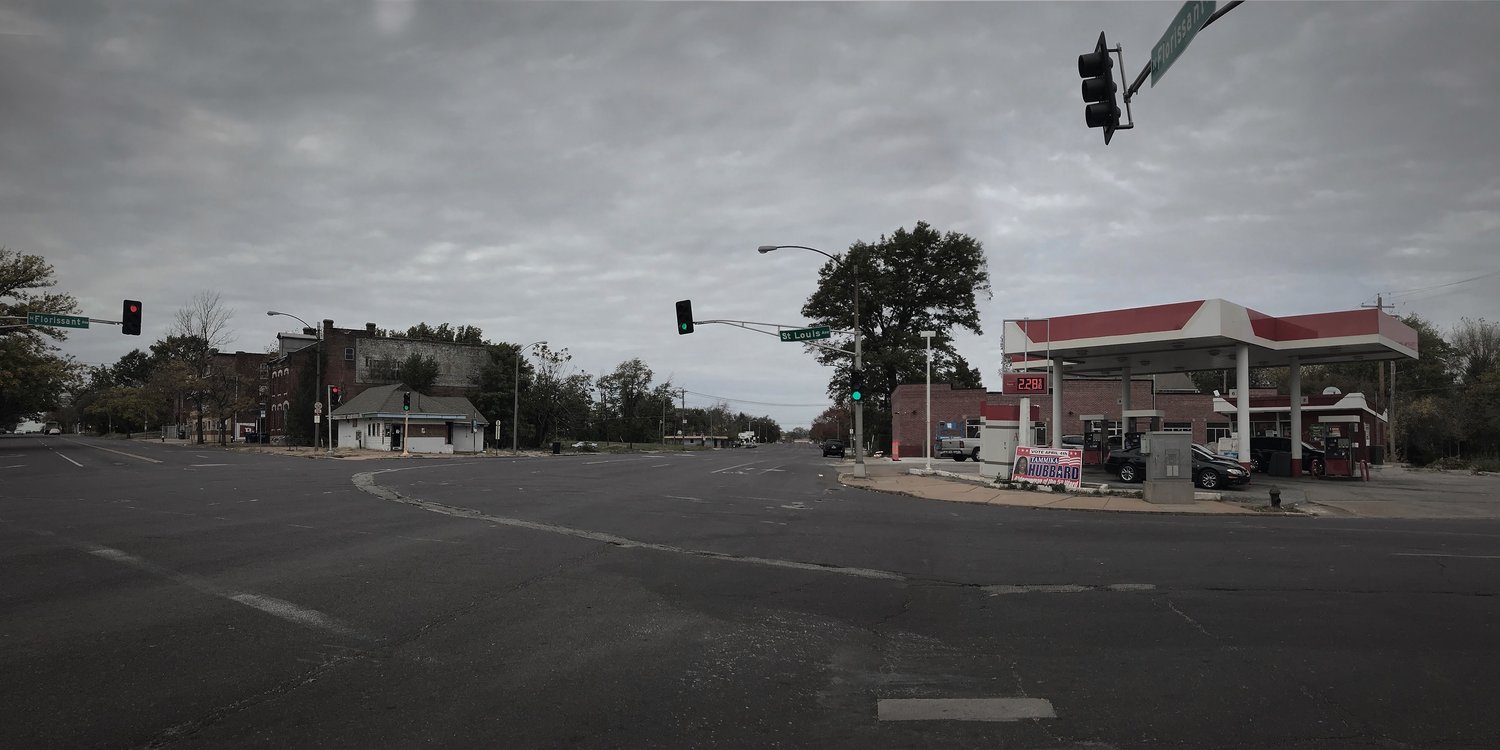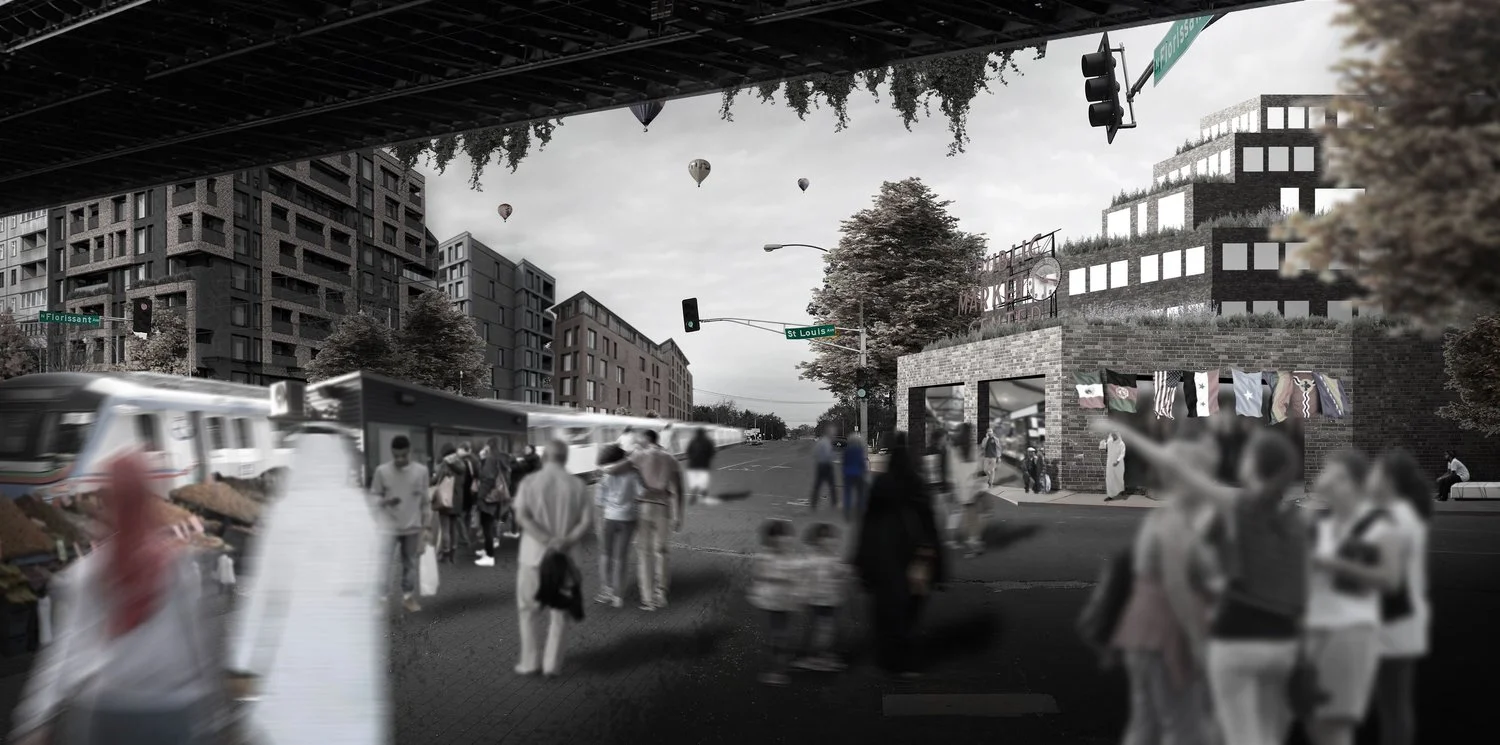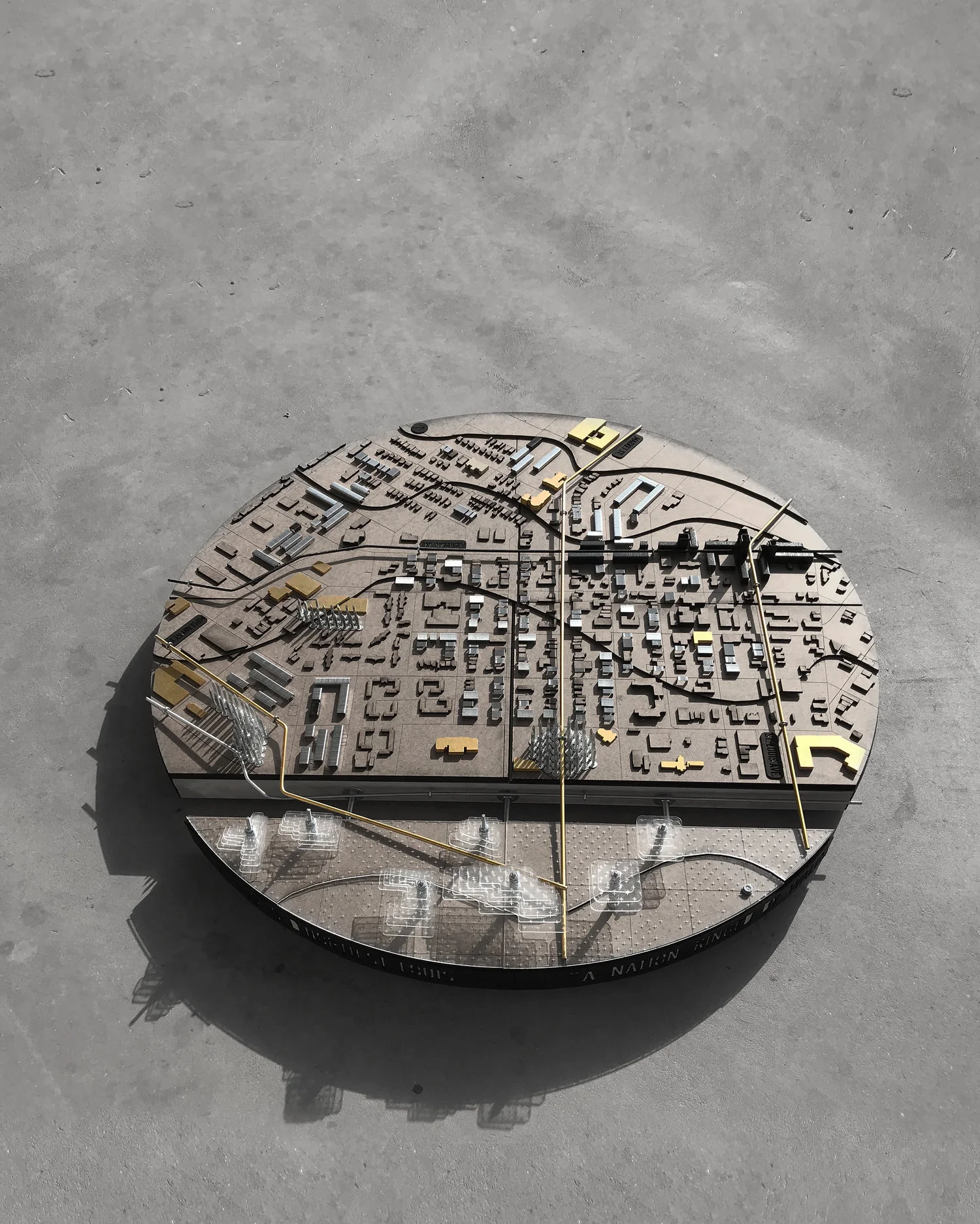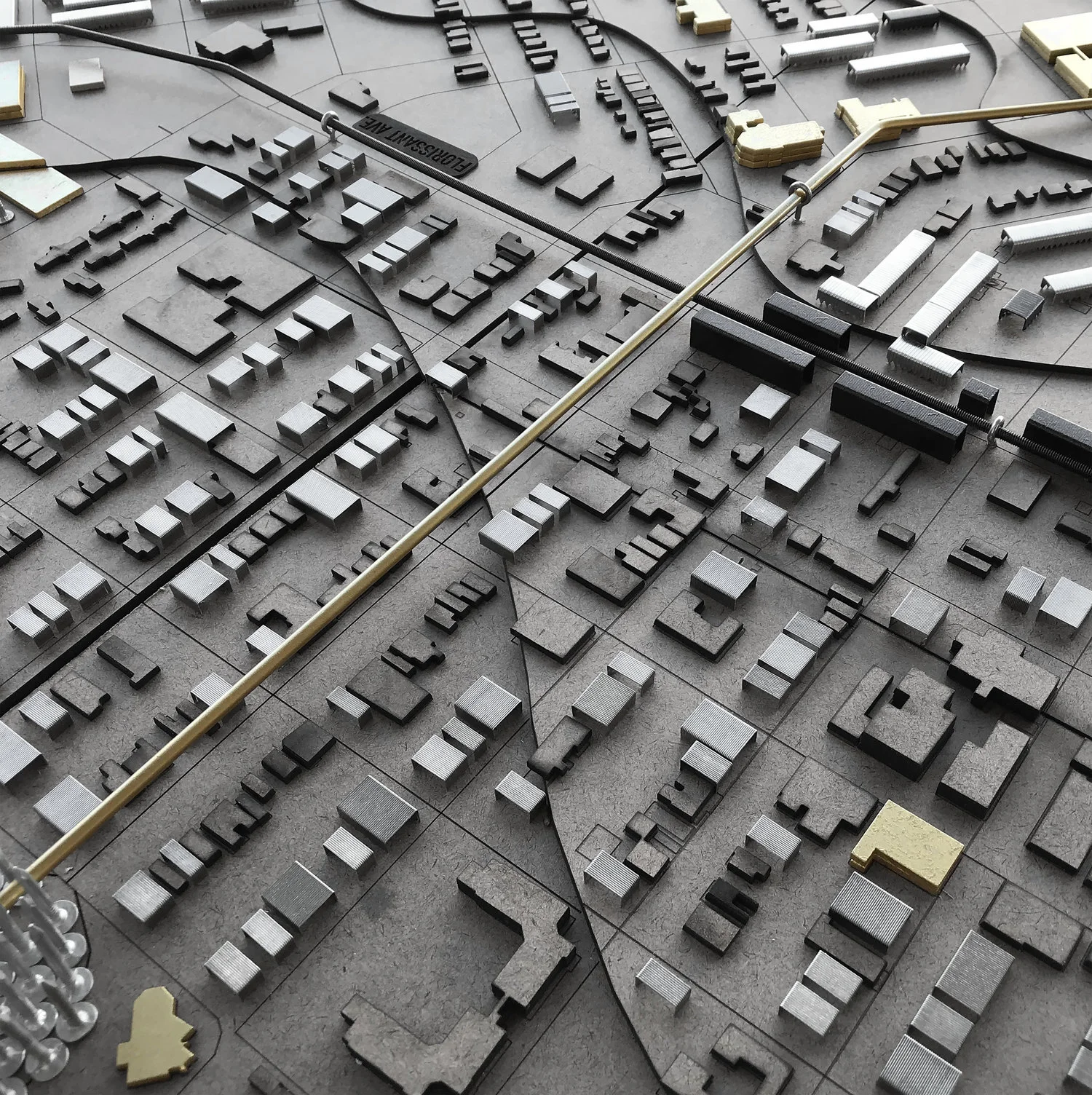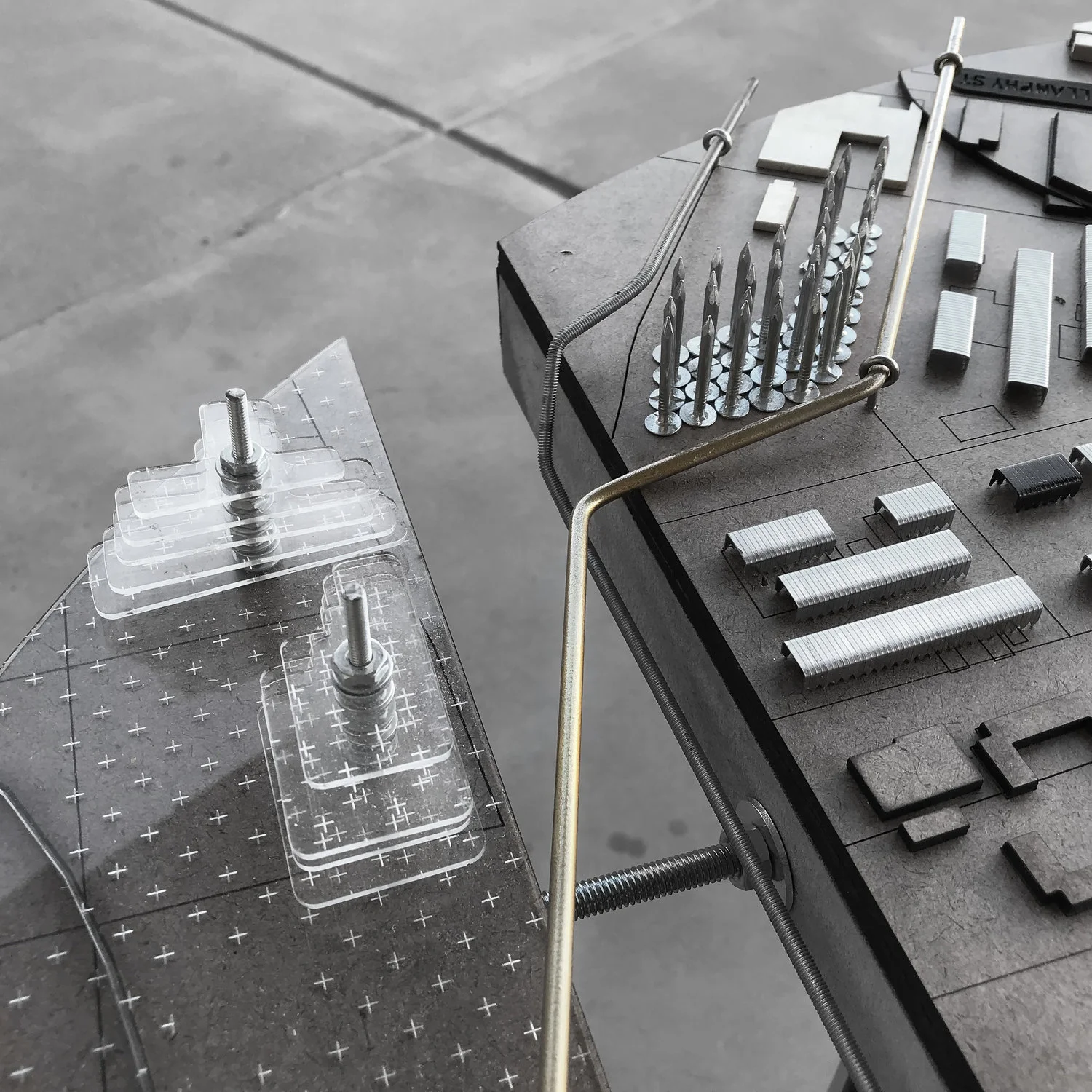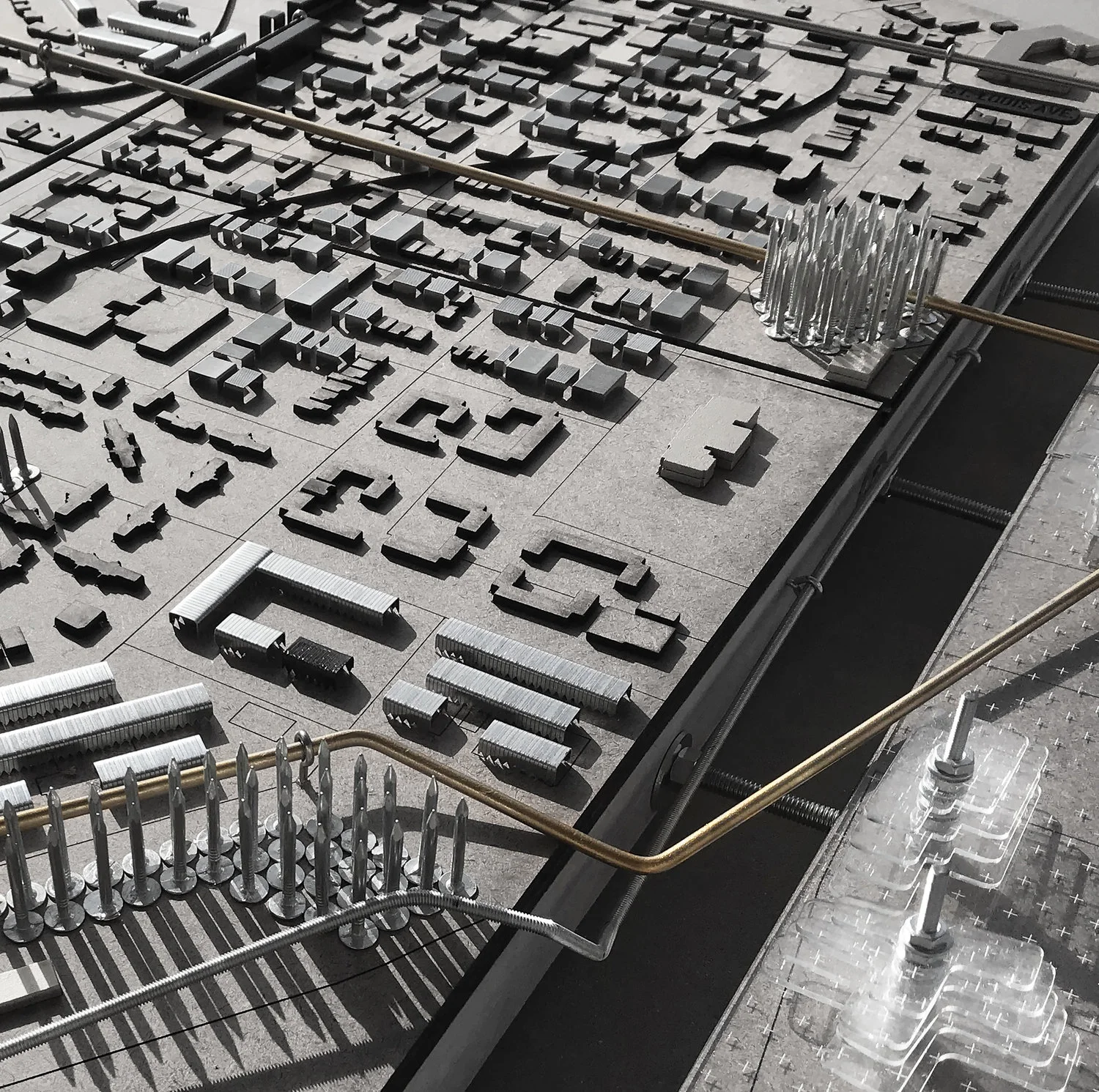
This speculative proposal positions the North–South MetroLink expansion as a catalyst for equitable urban regeneration in North St. Louis. Beyond justifying the $6 billion investment in new transit infrastructure, the project argues that the line must actively increase connectivity while fostering long-term social and economic equity across the neighborhoods it serves.
St. Louis is currently at its lowest population since 1880, with approximately 320,000 residents. In Old North, where density sits at roughly 4,900 people per square mile, even a modest annual influx of refugees—such as the city’s 2016 acceptance rate of 816 individuals—has the potential to catalyze sustained neighborhood revitalization. While foundational resources already exist, additional social, housing, and civic infrastructure is required to support this growth. This proposal introduces a new social infrastructure framework along a segment of the proposed MetroLink, designed to host and support an incoming refugee population.
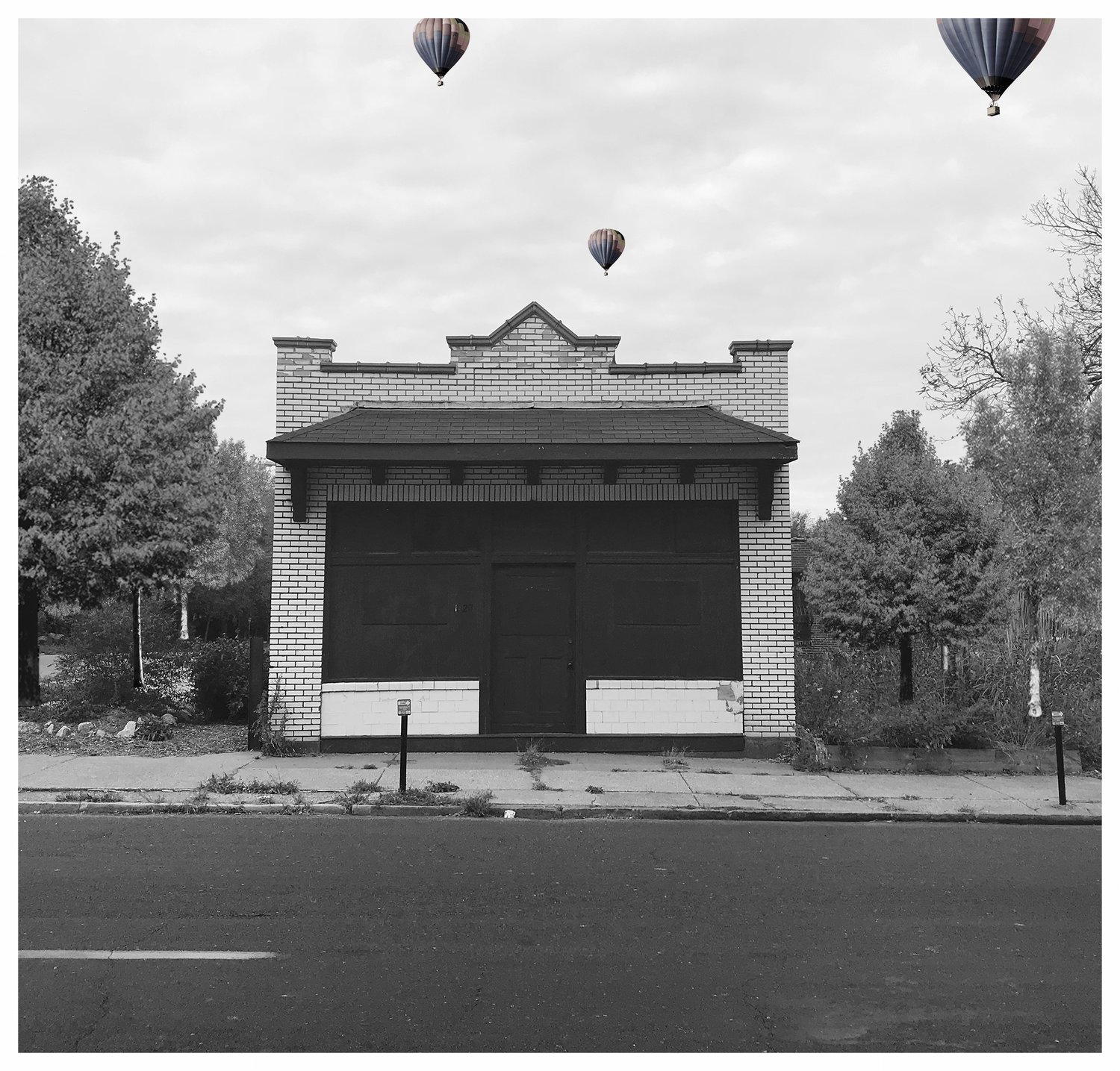
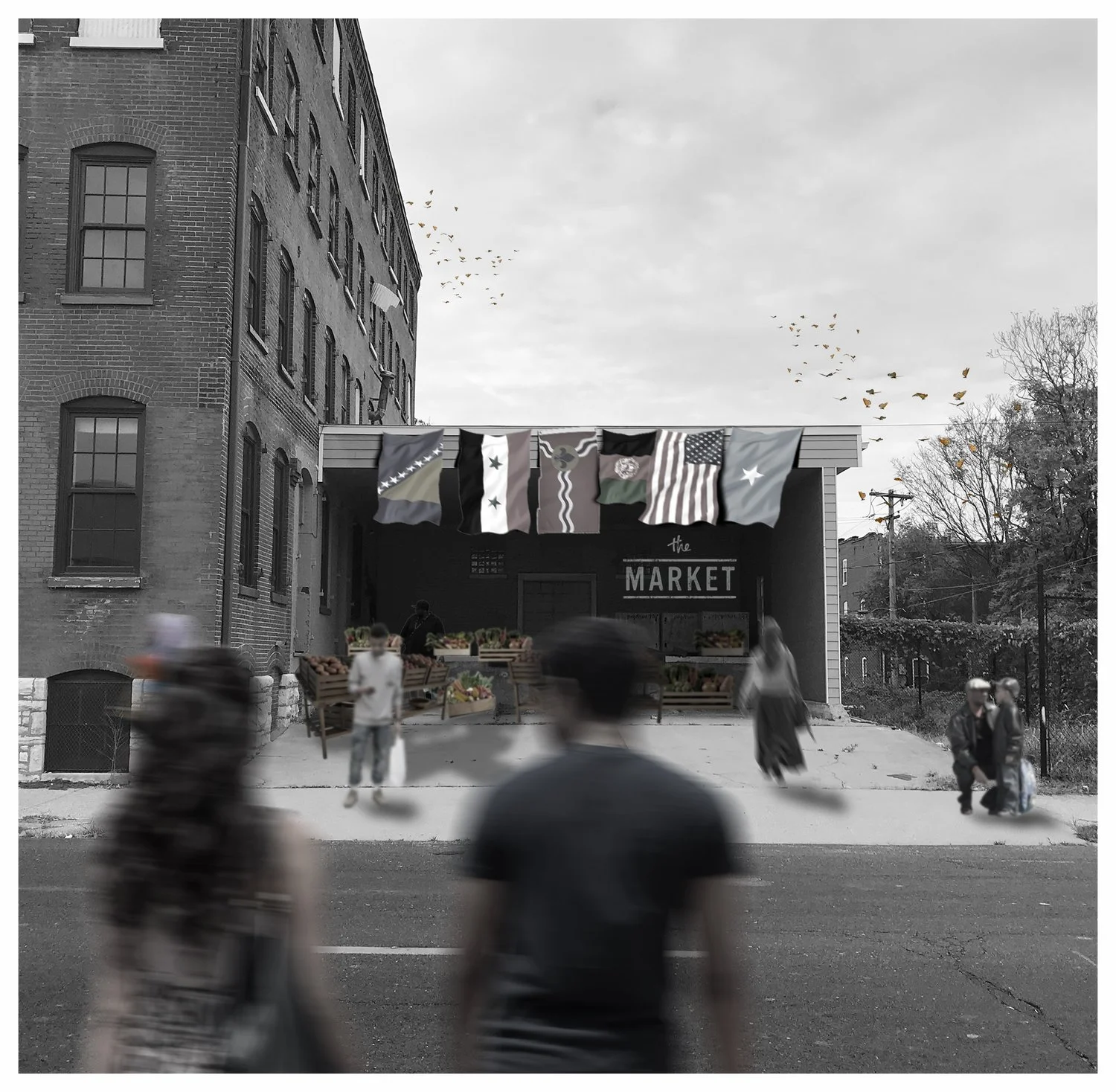
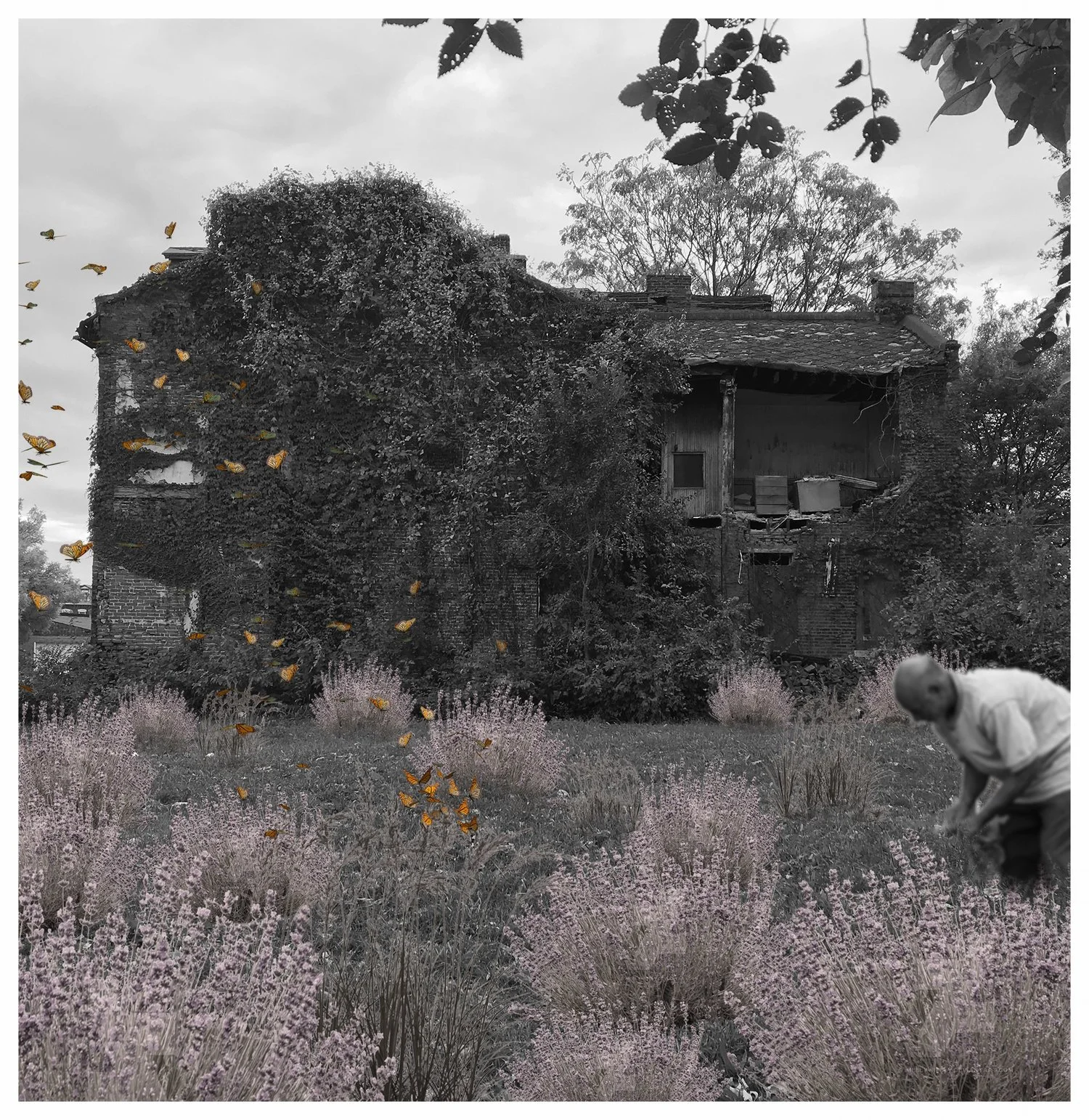
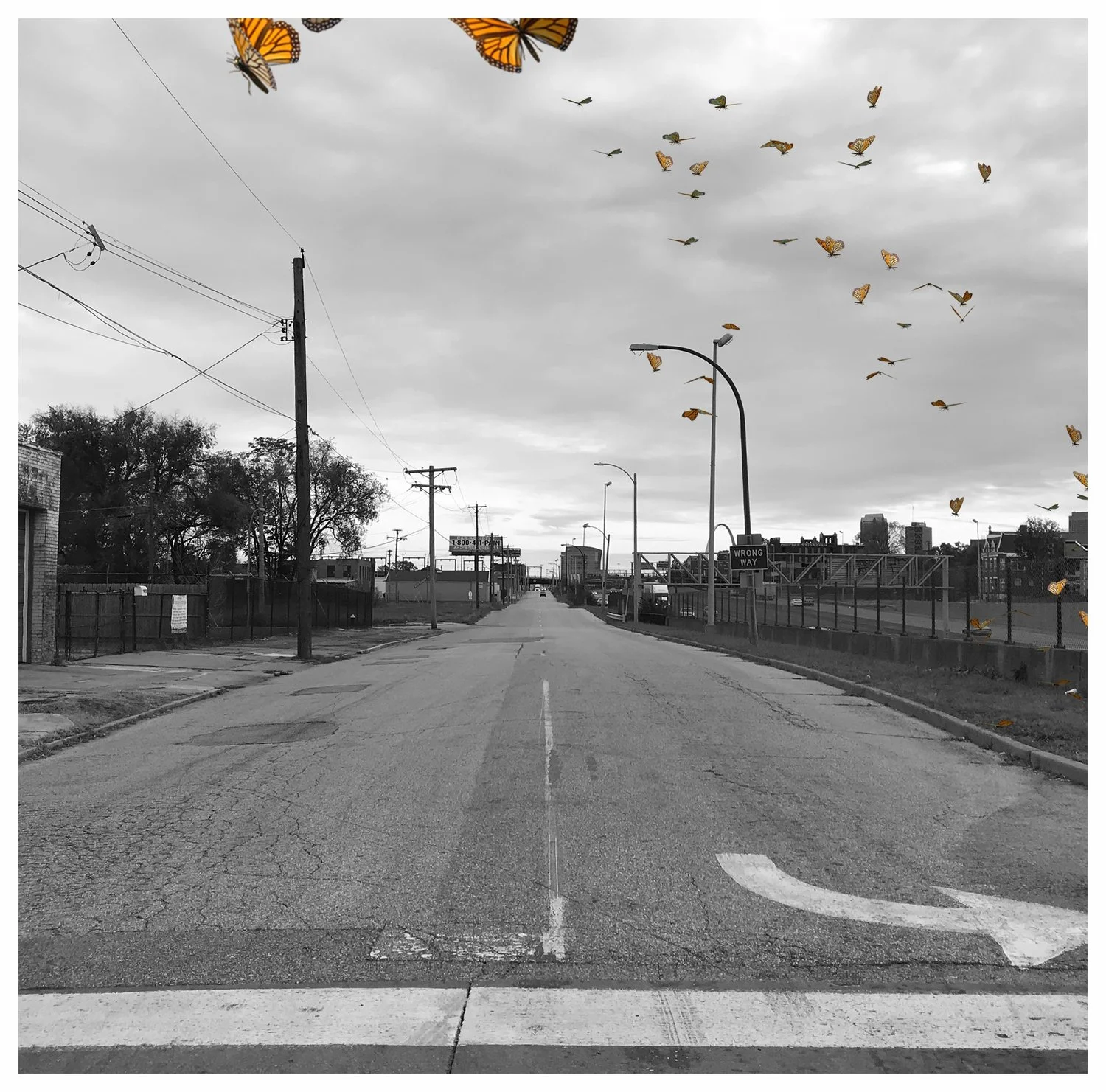
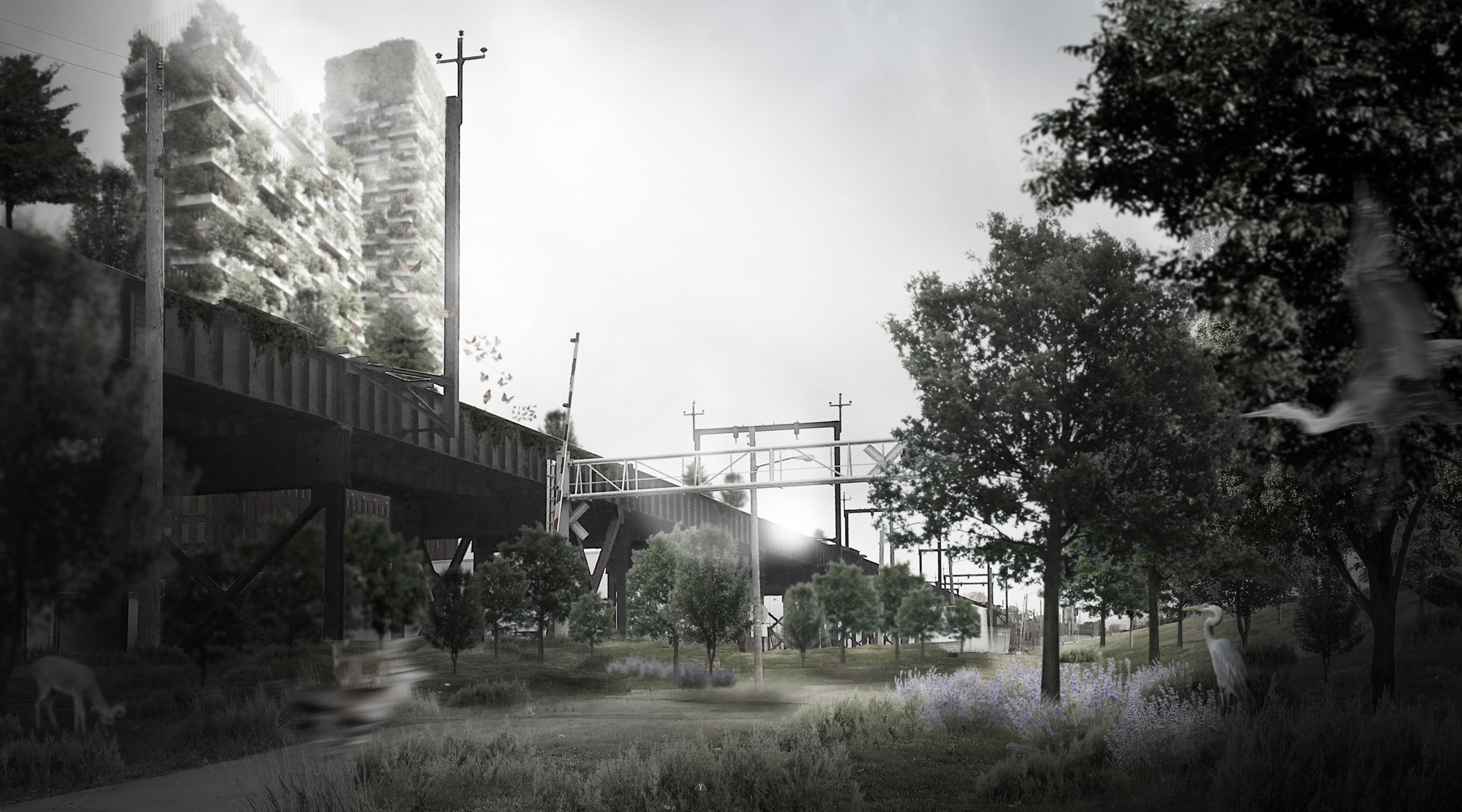
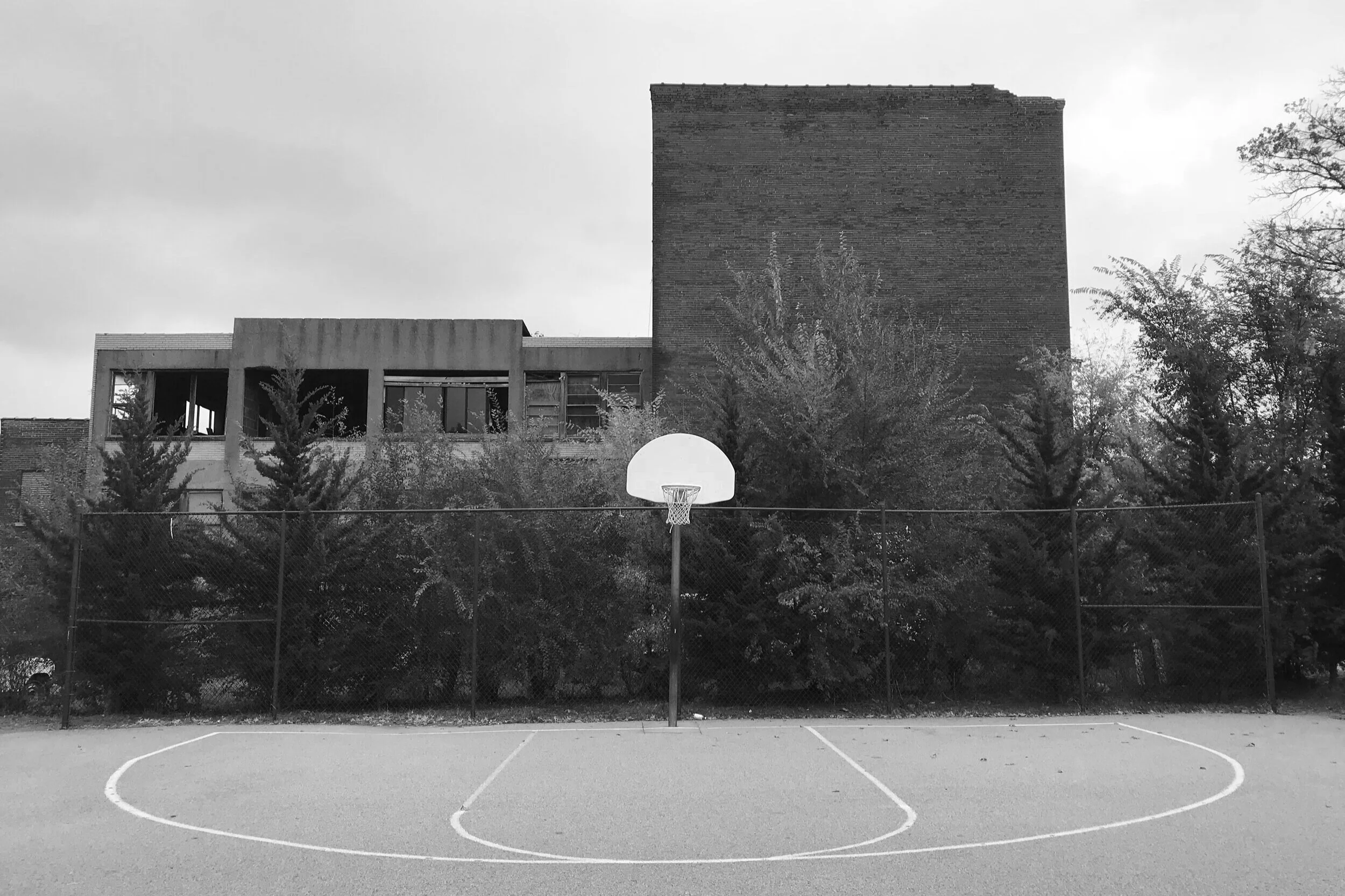
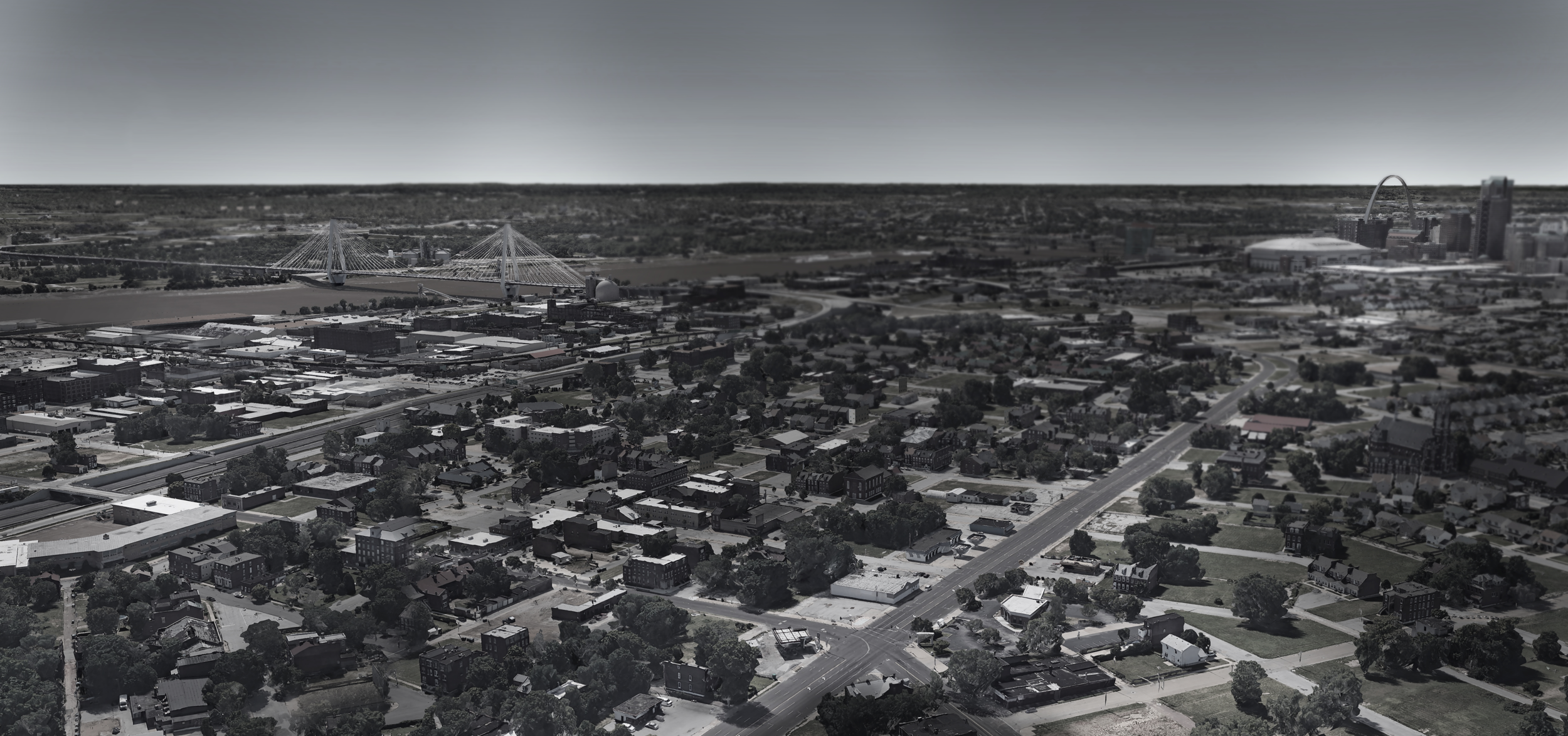
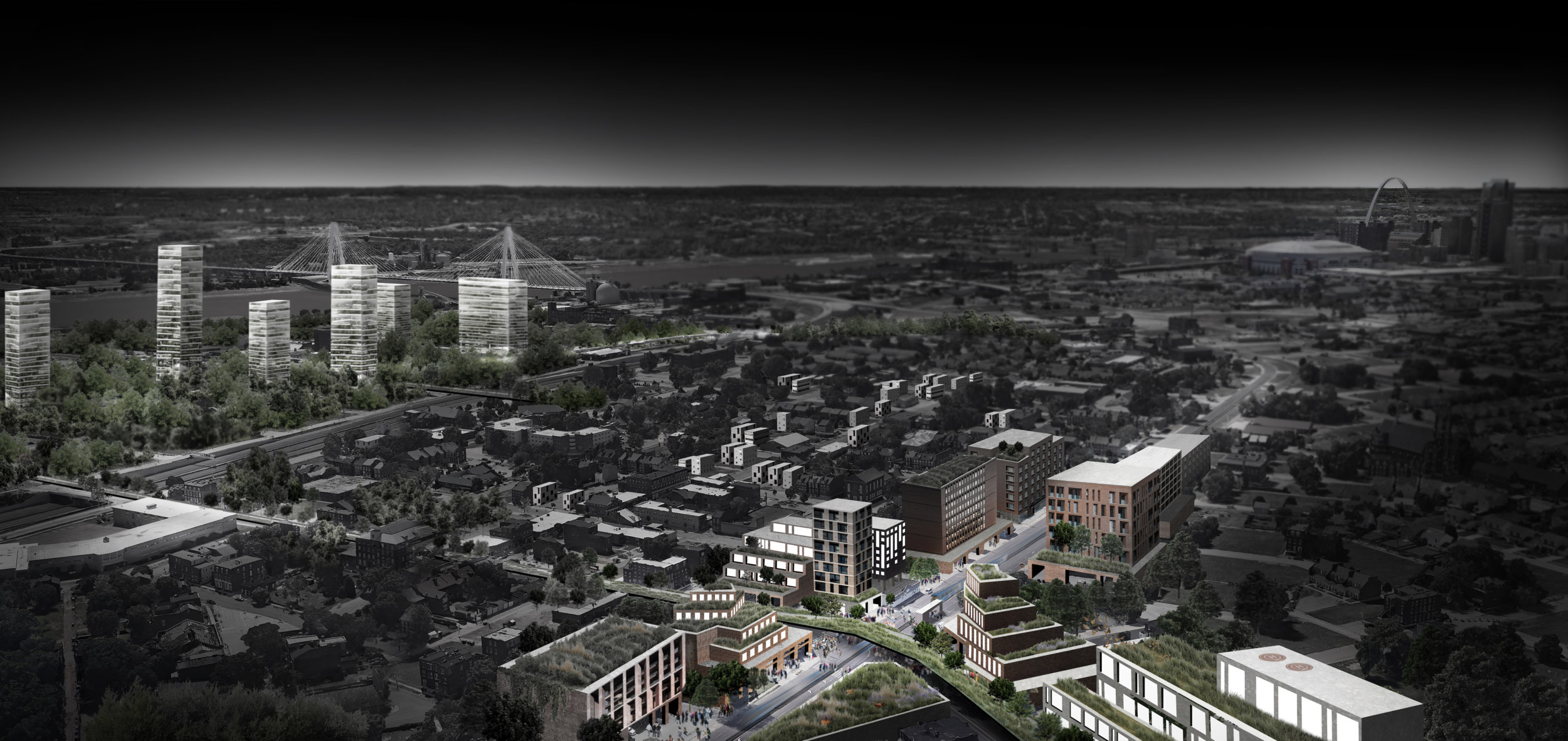
Old North is presently isolated by surrounding infrastructural and institutional barriers, including the interstate highway, the former Pruitt-Igoe site, and the future National Geospatial-Intelligence Agency campus. The neighborhood faces persistent challenges: high vacancy rates, limited access to healthy food, weak connections to the riverfront, and a lack of accessible green space. Through strategic densification, the stitching of the urban fabric with active green infrastructure, and the reimagining of the industrial waterfront, the MetroLink expansion becomes a tool for reconnecting the neighborhood and improving quality of life for existing residents.
Currently home to approximately 1,916 residents, Old North could support up to 9,245 residents at full build-out—nearly five times its present population. St. Louis has precedent for this model of growth: during the 1990s, tens of thousands of Bosnian refugees were successfully integrated into the city’s social and economic fabric. Between 2003 and 2013 alone, over 4,000 Bosnians became naturalized citizens, rehabilitated housing stock, opened businesses, and contributed meaningfully to the local workforce.
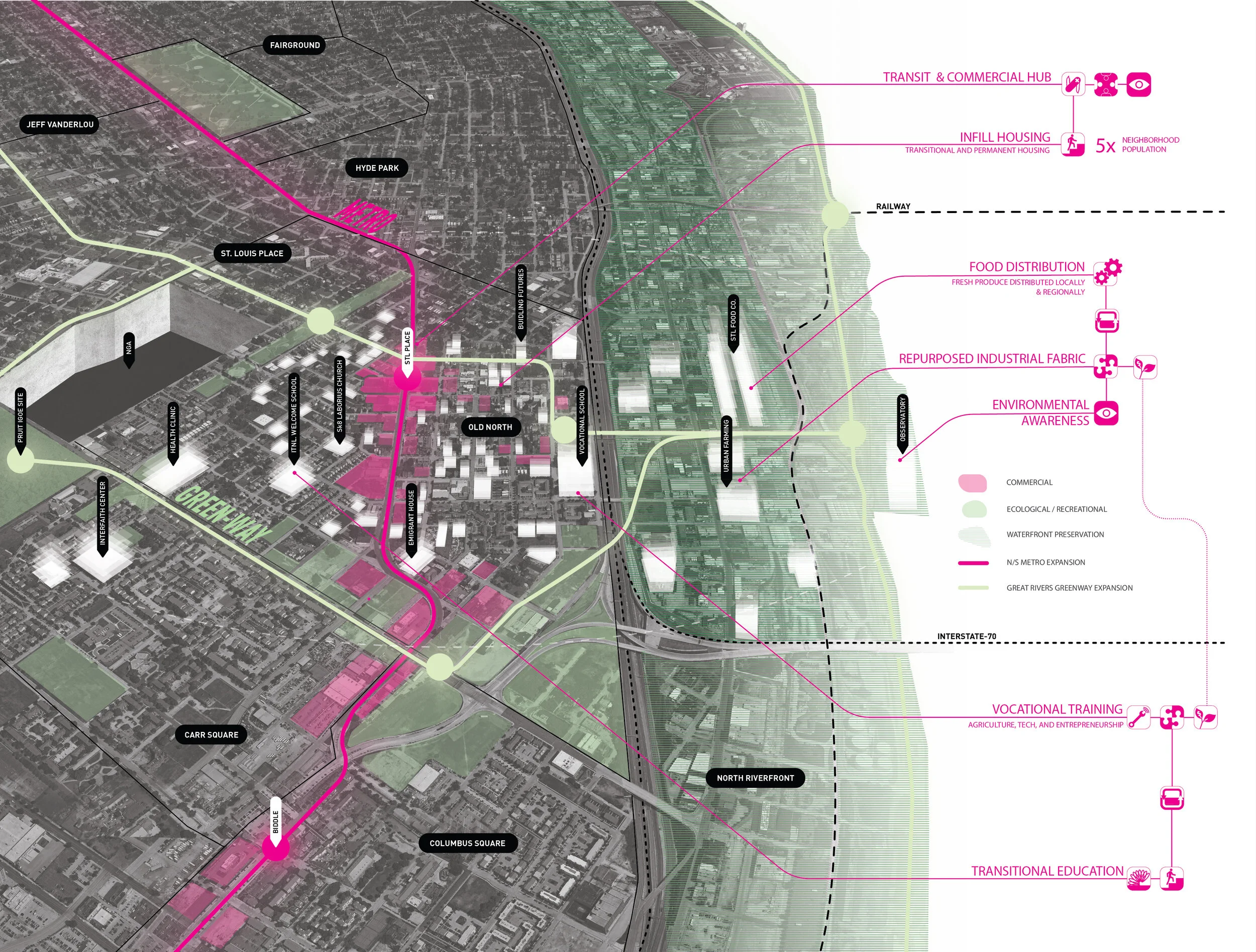
Systems Diagram
Currently home to approximately 1,916 residents, Old North could support up to 9,245 residents at full build-out—nearly five times its present population. St. Louis has precedent for this model of growth: during the 1990s, tens of thousands of Bosnian refugees were successfully integrated into the city’s social and economic fabric. Between 2003 and 2013 alone, over 4,000 Bosnians became naturalized citizens, rehabilitated housing stock, opened businesses, and contributed meaningfully to the local workforce.
By aligning transit investment with housing, social infrastructure, and landscape systems, this proposal suggests that refugee resettlement can serve as a powerful engine for re-densification, diversity, and long-term urban vitality—offering a path toward a more resilient and inclusive St. Louis.